Chingu
How to Say Thank You in Korean: Every Way to Express Gratitude (2026)
Learn every way to say thank you in Korean, from formal 감사합니다 (kamsahamnida) to casual 고마워. Includes formality levels, cultural etiquette, bowing tips, and situational examples.
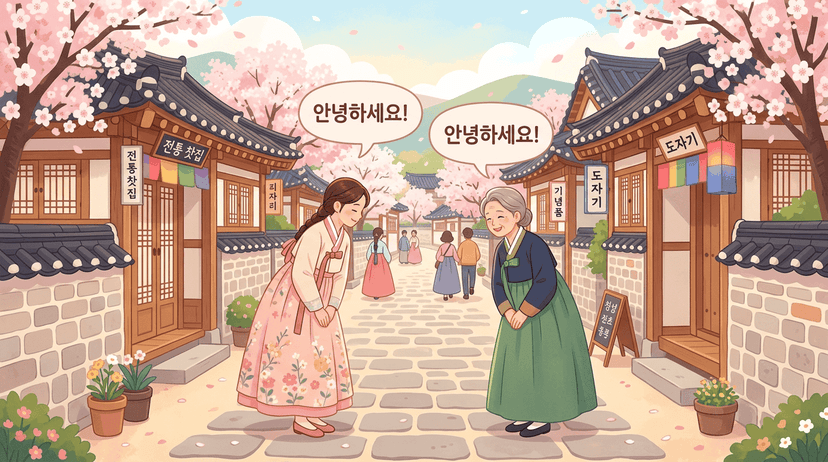
Knowing how to say thank you in Korean is one of the most important things you can learn as a student of the language. Gratitude is deeply woven into Korean culture, and using the right expression at the right time signals respect, awareness, and social grace. Whether you’re ordering food in Seoul, receiving a gift from a Korean friend, or chatting with a language partner, the way you say “thank you” matters — a lot. (New to Korean? Start with our beginner’s guide to learning Korean for a full roadmap.)
In this comprehensive guide, you’ll learn every major way to express thanks in Korean, understand the formality levels behind each phrase, discover the cultural context that determines which expression to use, and pick up practical tips for responding when someone thanks you. By the end, you’ll be able to navigate Korean gratitude expressions like a pro.
Why “Thank You” in Korean Is More Complicated Than You Think
In English, “thank you” and “thanks” cover almost every situation. Korean, however, has a complex system of speech levels — called 존댓말 (jondaenmal, formal/polite speech) and 반말 (banmal, casual speech) — that affects how you express gratitude. Using the wrong level can come across as rude, overly stiff, or socially awkward.
Korean gratitude expressions also come from two different root words: 감사 (gamsa), which has Sino-Korean (Chinese-origin) roots, and 고맙다 (gomapda), which is a native Korean word. Both mean “thank you,” but they carry slightly different nuances and are used in different contexts. Understanding this distinction is key to mastering Korean gratitude expressions. Just as Korean has multiple ways to say hello, the variety in thank-you phrases reflects the same emphasis on social context.
The Two Core “Thank You” Words in Korean
감사 (Gamsa) — Sino-Korean Root
감사 comes from the Chinese characters 感謝, meaning “feeling of thanks.” Expressions built on 감사 tend to sound more formal, polished, and professional. You’ll hear 감사-based phrases in business settings, official announcements, speeches, and interactions with strangers or elders.
고맙다 (Gomapda) — Native Korean Root
고맙다 is a purely Korean word meaning “to be thankful.” Expressions built on 고맙다 feel warmer, more personal, and more emotionally sincere. You’ll use 고맙다-based phrases with friends, family, and people you’re close to — though polite forms of 고맙다 are perfectly appropriate with strangers, too.
Every Way to Say Thank You in Korean (By Formality Level)
Below is a complete breakdown of thank-you expressions in Korean, organized from most formal to most casual. Understanding these levels is essential for using Korean gratitude expressions correctly.
1. 감사합니다 (Gamsahamnida) — Formal Polite
Formality: High (formal polite / 합쇼체)
When to use: Business meetings, talking to elders, customer service, public speeches, formal events, talking to strangers who are older than you.
감사합니다 (kamsahamnida) is the most commonly taught “thank you” in Korean and is the safest choice in almost any situation. If you only learn one way to say thank you in Korean, make it this one. It is polite, respectful, and appropriate everywhere — from a convenience store to a corporate boardroom.
Example sentences:
- 도와주셔서 감사합니다. (Dowajusyeoseo gamsahamnida.) — Thank you for helping me.
- 초대해 주셔서 감사합니다. (Chodaehae jusyeoseo gamsahamnida.) — Thank you for inviting me.
- 시간 내주셔서 감사합니다. (Sigan naejusyeoseo gamsahamnida.) — Thank you for making time.
2. 고맙습니다 (Gomapseumnida) — Formal Polite
Formality: High (formal polite / 합쇼체)
When to use: Same situations as 감사합니다, but with a slightly warmer, more personal tone.
고맙습니다 is the formal polite conjugation of the native Korean word 고맙다. It carries the same level of formality as 감사합니다, so you can use them interchangeably in most situations. The subtle difference is that 고맙습니다 feels slightly more heartfelt and personal, while 감사합니다 feels slightly more professional and official.
Example sentences:
- 선물 정말 고맙습니다. (Seonmul jeongmal gomapseumnida.) — Thank you so much for the gift.
- 항상 고맙습니다. (Hangsang gomapseumnida.) — I’m always grateful to you.
3. 감사해요 (Gamsahaeyo) — Standard Polite
Formality: Medium (standard polite / 해요체)
When to use: Everyday polite conversations, talking to acquaintances, service workers, or peers you don’t know well.
감사해요 is the standard polite form and feels less stiff than 감사합니다. It’s polite enough for most everyday situations but not quite as formal as the 합쇼체 level. In practice, many Koreans skip this form and go straight to either 감사합니다 (more formal) or 고마워요 (more common at this level).
4. 고마워요 (Gomawoyo) — Standard Polite
Formality: Medium (standard polite / 해요체)
When to use: Talking to people your age or slightly older in casual-polite situations, friendly acquaintances, someone you’ve met a few times.
고마워요 is the most versatile middle-ground expression. It’s polite but not overly formal, warm but not too casual. This is the form you’ll probably use most often in daily Korean life once you move past the very formal stage.
Example sentences:
- 알려줘서 고마워요. (Allyeojwoseo gomawoyo.) — Thanks for letting me know.
- 기다려줘서 고마워요. (Gidaryeojwoseo gomawoyo.) — Thanks for waiting for me.
5. 고마워 (Gomawo) — Casual (반말)
Formality: Low (casual / 반말)
When to use: Close friends, younger siblings, romantic partners, children, people who have agreed to speak in 반말 with you.
고마워 is the casual form of thank you. It’s warm, friendly, and intimate — but using it with someone you should be polite to (elders, strangers, superiors) is considered rude. Only use 고마워 when you’re sure the relationship calls for casual speech.
Example sentences:
- 와줘서 고마워! (Wajwoseo gomawo!) — Thanks for coming!
- 진짜 고마워. (Jinjja gomawo.) — Really, thank you.
- 오빠, 고마워~ (Oppa, gomawo~) — Thanks, oppa~
6. 땡큐 (Ttaengkyu) — Slang
Formality: Very low (slang / Konglish)
When to use: Texting with close friends, casual online conversations, humorous or lighthearted contexts.
땡큐 is a Koreanized version of the English “thank you” (Konglish). Young Koreans use it playfully in text messages and casual speech. It’s never appropriate in formal situations, but it’s common in K-pop fan culture, social media, and everyday texting between friends.
Quick Reference Table: Korean Thank You Expressions
| Expression | Romanization | Formality | Best Used With |
|---|---|---|---|
| 감사합니다 | Gamsahamnida | Formal polite | Elders, strangers, business, speeches |
| 고맙습니다 | Gomapseumnida | Formal polite | Same as above, slightly warmer tone |
| 감사해요 | Gamsahaeyo | Standard polite | Everyday polite situations |
| 고마워요 | Gomawoyo | Standard polite | Friendly acquaintances, peers |
| 고마워 | Gomawo | Casual | Close friends, younger people |
| 땡큐 | Ttaengkyu | Slang | Texting, playful contexts |
How to Say “Thank You Very Much” in Korean
To intensify your gratitude, add emphasis words before or after your thank-you expression:
- 정말 감사합니다 (Jeongmal gamsahamnida) — Thank you very much / I really thank you (formal)
- 너무 감사합니다 (Neomu gamsahamnida) — Thank you so much (formal)
- 대단히 감사합니다 (Daedanhi gamsahamnida) — Thank you greatly (very formal, used in speeches and ceremonies)
- 정말 고마워요 (Jeongmal gomawoyo) — I really thank you (polite)
- 너무너무 고마워 (Neomu neomu gomawo) — Thank you sooo much (casual, often used by younger speakers)
- 진심으로 감사드립니다 (Jinsimeuro gamsadeurimnida) — I sincerely thank you (very formal, humble)
The word 정말 (jeongmal, “really/truly”) is the most universally useful intensifier. Adding it before any thank-you expression makes your gratitude feel deeper and more sincere.
How to Respond to “Thank You” in Korean (“You’re Welcome”)
Knowing how to say thank you in Korean is only half the equation. You also need to know how to respond when someone thanks you. Here are the most common Korean equivalents of “you’re welcome”:
아니에요 (Anieyo) — “It’s Nothing” / “Not at All”
This is the most common response to thank you in Korean. Literally meaning “it’s not (a big deal),” it’s humble and natural-sounding. Koreans often deflect gratitude rather than simply accepting it, and 아니에요 perfectly captures that cultural tendency.
별말씀을요 (Byeolmalsseumeulyo) — “Don’t Mention It”
A more formal way to say “you’re welcome.” 별말씀을요 literally means “what special words (are needed),” implying that thanks are unnecessary. Use this with elders or in polite company.
천만에요 (Cheonmaneyo) — “You’re Welcome”
This is the textbook “you’re welcome” that most Korean courses teach. However, it sounds quite formal and old-fashioned in modern conversational Korean. You’ll see it in textbooks more than in real life, but it’s still understood and used occasionally in very formal contexts.
아니야 (Aniya) — “Nah, It’s Nothing” (Casual)
The casual version of 아니에요. Use this with friends and people you speak in 반말 with.
네/응 (Ne/Eung) — Simple Acknowledgment
Sometimes Koreans simply respond with 네 (polite) or 응 (casual), both meaning “yeah” or “mm-hmm.” This is less a “you’re welcome” and more a friendly acknowledgment that they heard you. It’s very common in everyday life.
Cultural Context: Korean Gratitude Beyond Words
Saying thank you in Korean is about more than just the words you use. Body language, timing, and context all play important roles in how your gratitude is received.
Bowing: The Physical Expression of Thanks
In Korean culture, bowing accompanies verbal thanks. The depth and duration of your bow communicates the level of your gratitude:
- Slight nod (15 degrees): Casual thanks between peers. A quick head dip when someone holds a door or passes you something.
- Standard bow (30 degrees): Polite thanks to strangers, service workers, or acquaintances. This is the most common bow you’ll use daily.
- Deep bow (45 degrees): Expressing sincere gratitude to elders, teachers, or in formal situations. Used when someone has done something significant for you.
- Full bow (90 degrees / 큰절, keunjeol): Reserved for very special occasions — thanking parents on holidays, wedding ceremonies, or expressing profound gratitude. You typically kneel and bow your forehead to the floor.
As a foreigner, you won’t be expected to perform a full 큰절, but learning to do a natural 30-degree bow with your thank-you expressions will earn you genuine respect and warmth from Korean speakers.
Two-Handed Receiving
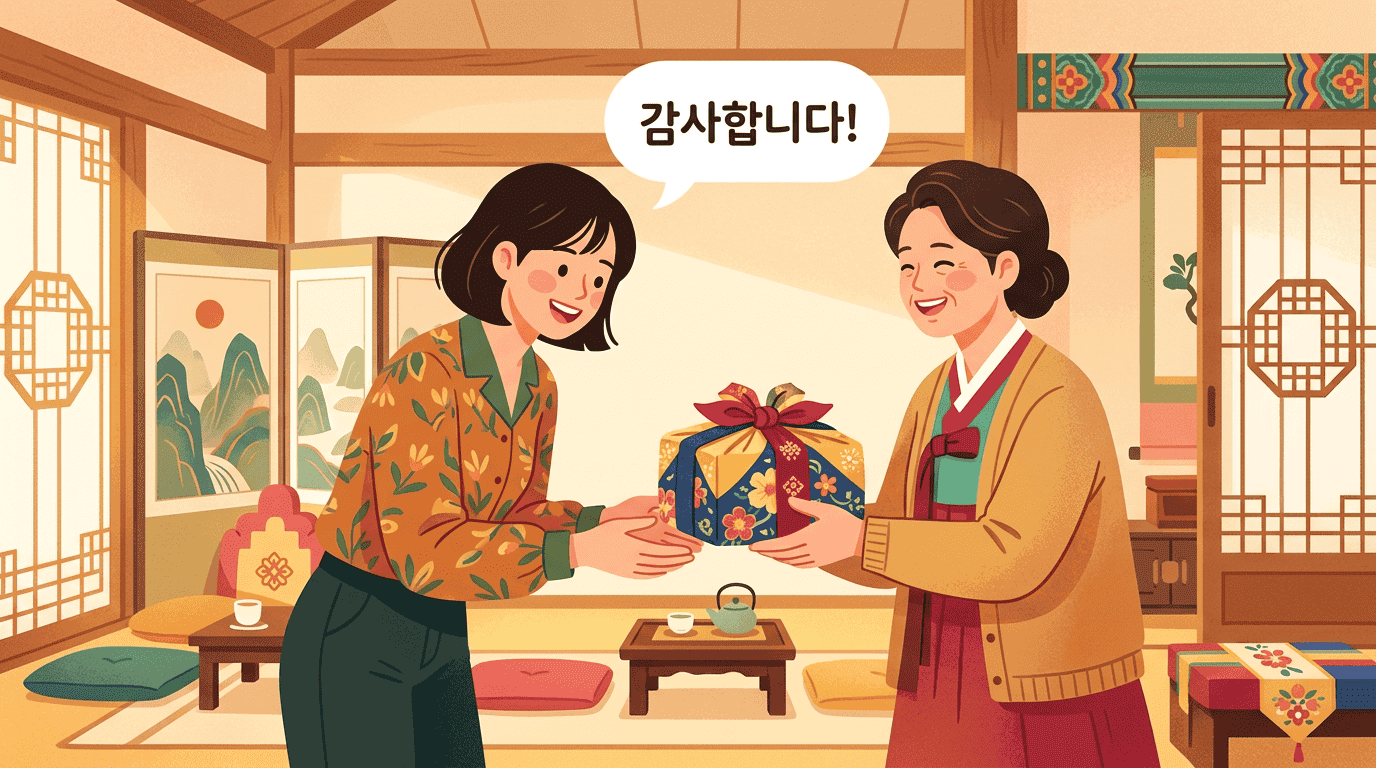
When someone gives you something — a business card, a gift, a drink, money — receive it with both hands or with your right hand supported by your left hand touching your right forearm. This gesture shows respect and gratitude without needing any words. Combining this with 감사합니다 or 고맙습니다 is the gold standard of Korean etiquette.
Gift-Giving Etiquette and Thanks
Korean gift-giving culture has its own set of thank-you rules:
- Don’t open gifts immediately. In Korean culture, it’s common to wait until the giver has left before opening a gift. This avoids any potential awkwardness if the gift isn’t what was expected.
- Express thanks multiple times. Thank the person when you receive the gift, and then again later (by text or in person) after you’ve opened or used it. A follow-up 선물 잘 받았습니다, 감사합니다 (Seonmul jal badatseumnida, gamsahamnida — “I received the gift well, thank you”) goes a long way.
- Reciprocate. Korean culture values reciprocity. If someone gives you a gift, you’re generally expected to return the favor at some point. This isn’t strictly about thank-you language, but it’s an important part of expressing gratitude culturally.
Jeong (정) — The Korean Concept Behind Gratitude
To truly understand Korean gratitude expressions, it helps to know about 정 (jeong). Jeong is a uniquely Korean concept describing deep emotional bonds, affection, and attachment that develop between people over time. Korean gratitude isn’t just transactional (“you did X, so I say thanks”) — it’s relational. When Koreans express thanks, they’re often acknowledging the 정 between them and the other person.
This is why 고맙다-based expressions (native Korean, warmer, more personal) are preferred in close relationships, while 감사-based expressions (Sino-Korean, more formal) are used where professional distance is appropriate. This same emotional depth shapes how Koreans express love and affection in Korean.
Thank You in Korean for Specific Situations
Knowing the right thank-you phrase for specific situations will make your Korean sound natural and culturally aware. Here are the most common scenarios:
At a Restaurant
- When seated or receiving a menu: 감사합니다 (Gamsahamnida) with a slight nod.
- When food arrives: 감사합니다 to the server, then 잘 먹겠습니다 (Jal meokgesseumnida — “I will eat well”) before you start eating. This phrase is said to whoever prepared or paid for the food and is a form of gratitude.
- After the meal: 잘 먹었습니다 (Jal meogeosseumnida — “I ate well”). This is said to the cook, host, or whoever treated you. It’s one of the most important Korean gratitude expressions.
- When leaving: 감사합니다 or 수고하세요 (Sugohaseyo — roughly “keep up the good work,” used as a polite farewell to service workers).
When Receiving a Gift
- Formal: 이런 선물을 주시다니 정말 감사합니다. (Ireon seonmureul jusidani jeongmal gamsahamnida.) — I really thank you for giving me such a gift.
- Polite: 와, 고마워요! 잘 쓸게요. (Wa, gomawoyo! Jal sseulgeyo.) — Wow, thank you! I’ll use it well.
- Casual: 헐, 고마워! (Heol, gomawo!) — Whoa, thanks!
When Someone Helps You
- Formal: 도와주셔서 정말 감사합니다. (Dowajusyeoseo jeongmal gamsahamnida.) — Thank you so much for helping me.
- Polite: 도와줘서 고마워요. (Dowajwoseo gomawoyo.) — Thanks for helping.
- Casual: 도와줘서 고마워. (Dowajwoseo gomawo.) — Thanks for the help.
When Someone Compliments You
Koreans often deflect compliments rather than simply saying thank you, but a gracious response is perfectly fine:
- 감사합니다 (Gamsahamnida) — straightforward and polite.
- 아니에요, 감사합니다 (Anieyo, gamsahamnida) — “Oh no, but thank you” — the humble deflection plus thanks combo that Koreans love.
- 칭찬 감사합니다 (Chingchan gamsahamnida) — “Thank you for the compliment.”
In a Business or Professional Setting
- 감사드립니다 (Gamsadeurimnida) — A humble, extra-formal version of 감사합니다. The 드리다 (deurida) component is the humble form of “to give,” making this expression very respectful. Use it in business emails, presentations, and with clients.
- 깊이 감사드립니다 (Gipi gamsadeurimnida) — “I deeply thank you.” For very formal business correspondence or speeches.
Thanking Someone for Their Hard Work
Korean has a unique set of expressions for acknowledging someone’s effort:
- 수고하셨습니다 (Sugohasyeotseumnida) — “You’ve worked hard.” Said to colleagues at the end of a workday, or to anyone who has put in effort. This is more of an acknowledgment than a direct “thank you,” but it carries deep appreciation.
- 수고했어요 (Sugohaesseoyo) — Polite version of the above.
- 수고했어 (Sugohaesseo) — Casual version, used with friends or younger colleagues.
Thank You in Korean Texting and Online
Korean texting culture has its own abbreviated and playful ways to express thanks:
- ㄱㅅ (gs) — An abbreviation of 감사 (gamsa). Extremely casual, used in online chats and gaming.
- 감사감사 (Gamsa gamsa) — Doubling the word for a playful, casual “thanks thanks!”
- 고마워용 / 고마워요~ (Gomawoyong / Gomawoyo~) — Adding a tilde (~) or cutesy ending to sound friendly and affectionate.
- 땡큐 (Ttaengkyu) — Konglish “thank you,” used playfully.
- 쌩큐 (Ssaengkyu) — Another Konglish variant, even more playful and slangy.
Practicing Korean Gratitude Expressions
Memorizing thank-you phrases from a list is a good start, but the real challenge is using them naturally in conversation. The formality levels, the cultural context, the body language — these only become second nature through practice.
One effective way to build this skill is through AI conversation practice. AI language companions can simulate real Korean conversations where you need to choose the right level of formality, respond to different social situations, and practice polite expressions in context. Because AI partners adapt to your level and never judge your mistakes, you can freely experiment with formal and casual thank-you expressions until they feel natural.
For example, you could practice ordering at a Korean restaurant and thanking the server, receiving a virtual gift from a Korean-speaking character and responding appropriately, or navigating a business conversation where you need to use 감사드립니다. This kind of situational practice is far more effective than memorizing phrases in isolation.
Common Mistakes to Avoid
- Using 고마워 with strangers or elders: This is the number one mistake. 고마워 is casual speech, and using it with someone you should be polite to is rude. When in doubt, use 감사합니다.
- Over-thanking: While gratitude is important in Korean culture, excessive thanking can make interactions feel awkward or transactional. In close relationships, Koreans often skip formal thanks because the 정 between them makes it unnecessary.
- Forgetting the bow: Words without the appropriate body language feel incomplete. Even a small head nod goes a long way.
- Pronouncing 감사합니다 incorrectly: The correct pronunciation is closer to “gam-sa-ham-ni-da” (the ㅂ in 합 sounds like an “m” before ㄴ due to a rule called nasalization). Many beginners say “gam-sa-hab-ni-da,” which is incorrect.
- Using 천만에요 as your default “you’re welcome”: Textbooks love this phrase, but modern Koreans rarely use it. Stick with 아니에요 for a natural-sounding response.
Advanced Thank-You Expressions and Patterns
Once you’re comfortable with the basics, these patterns will help you express gratitude more specifically and eloquently:
The “V + 아/어 주셔서 감사합니다” Pattern
This pattern means “Thank you for doing [verb] for me” and is extremely useful:
- 와 주셔서 감사합니다 (Wa jusyeoseo gamsahamnida) — Thank you for coming.
- 가르쳐 주셔서 감사합니다 (Gareuchyeo jusyeoseo gamsahamnida) — Thank you for teaching me.
- 이해해 주셔서 감사합니다 (Ihaehae jusyeoseo gamsahamnida) — Thank you for understanding.
- 기다려 주셔서 감사합니다 (Gidaryeo jusyeoseo gamsahamnida) — Thank you for waiting.
This structure works with any verb and is one of the most practical grammar patterns for expressing gratitude in Korean.
The “N + 덕분에” Pattern
덕분에 (deokbune) means “thanks to” and is used to attribute a good outcome to someone or something:
- 선생님 덕분에 한국어를 잘 할 수 있게 됐어요. (Seonsaengnim deokbune hangugeoreul jal hal su itge dwaesseoyo.) — Thanks to you, teacher, I can speak Korean well now.
- 덕분에 잘 됐어요. (Deokbune jal dwaesseoyo.) — Thanks to you, it went well.
Frequently Asked Questions
What is the most common way to say thank you in Korean?
감사합니다 (gamsahamnida) is the most common and universally safe way to say thank you in Korean. It works in virtually every situation — with strangers, elders, colleagues, and in any public setting. If you’re unsure which expression to use, 감사합니다 is always a good choice.
What is the difference between 감사합니다 and 고맙습니다?
Both are formal polite expressions meaning “thank you,” and they can be used interchangeably in most situations. The difference is subtle: 감사합니다 (Sino-Korean origin) sounds slightly more professional and official, while 고맙습니다 (native Korean origin) sounds slightly warmer and more personal. In business or very formal contexts, 감사합니다 is slightly preferred.
Is it rude to say 고마워 to a stranger?
Yes, generally. 고마워 is casual speech (반말) and should only be used with close friends, younger people, or those who have explicitly agreed to speak casually with you. Using it with a stranger, especially an older one, can come across as disrespectful. Use 감사합니다 or 고마워요 with strangers instead.
How do you pronounce 감사합니다 correctly?
The romanization “kamsahamnida” gives you a good approximation. Key points: the ㅂ in 합 becomes an “m” sound before the ㄴ in 니 (this is called nasalization). So it’s “gam-sa-ham-ni-da,” not “gam-sa-hab-ni-da.” The stress is relatively even across all syllables, with a slight emphasis on the first.
Do I need to bow when saying thank you in Korean?
A bow isn’t strictly required, but it’s expected in most situations and greatly appreciated. In casual settings with friends, a slight head nod is sufficient. In more formal situations, a 30-degree bow is appropriate. The deeper the bow, the more respect and gratitude you’re conveying.
What is the best way to say “you’re welcome” in Korean?
The most natural and commonly used response is 아니에요 (anieyo), meaning “it’s nothing” or “not at all.” Despite what textbooks say, 천만에요 (cheonmaneyo) is rarely used in everyday conversation. For casual situations, 아니야 (aniya) works well.
How can I practice using these expressions naturally?
The best way to internalize Korean gratitude expressions is through repeated conversational practice. Try role-playing different scenarios — ordering food, receiving gifts, thanking a colleague — with a language partner or AI companion. Practicing with AI conversation partners is especially helpful because you can simulate various social situations and formality levels without the pressure of a real interaction. Over time, choosing the right expression will become automatic.