Chingu
Best Korean Learning Apps in 2026: Honest Comparison
Compare the top Korean learning apps in 2026. From Duolingo to AI conversation partners, find the best app for your Korean learning goals and style.
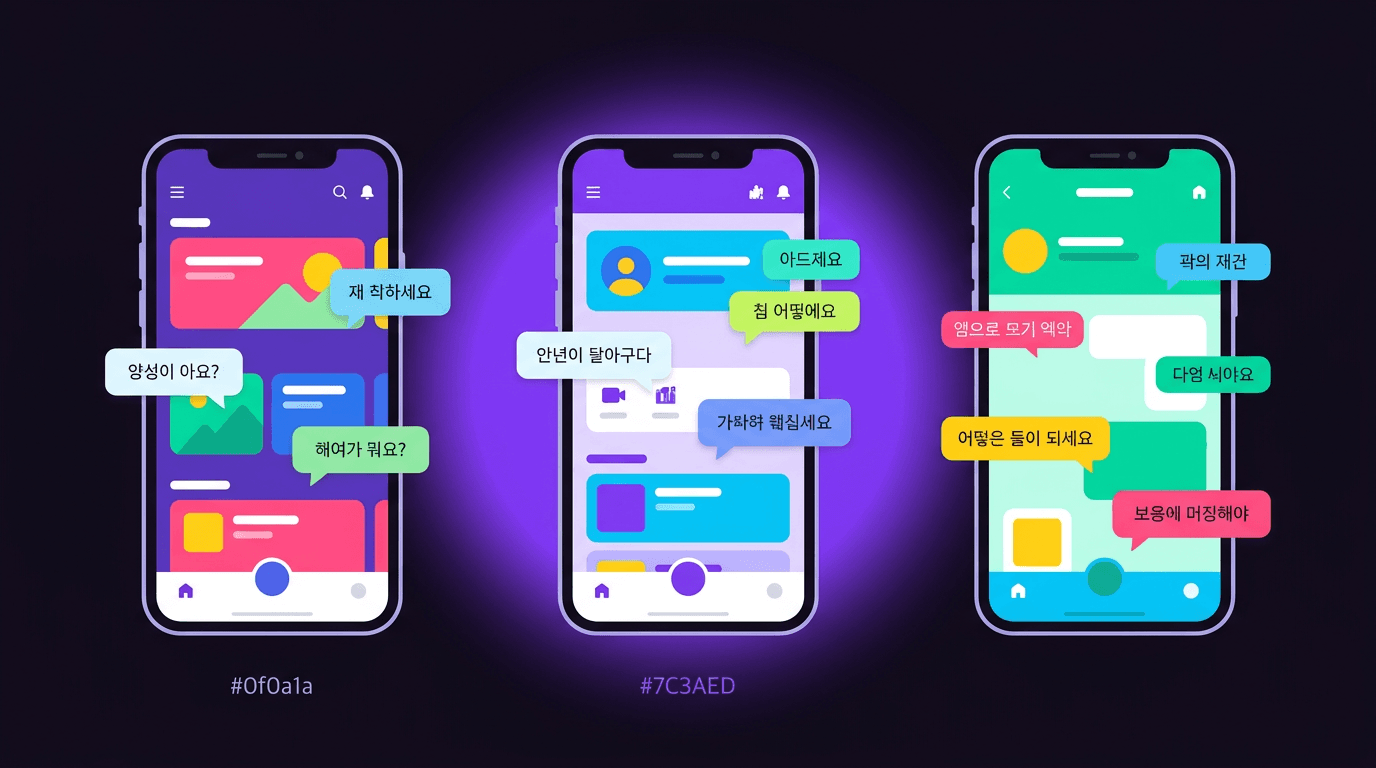
With dozens of Korean learning apps available in 2026, choosing the right one can be overwhelming. Each app has different strengths, and the best choice depends on your learning style, goals, and budget. Here’s an honest comparison of the top options.
What Makes a Good Korean Learning App?
Before diving into specific apps, let’s establish what actually matters for effective Korean learning:
- Conversation practice: Can you practice real Korean conversations, not just isolated vocabulary?
- Correction quality: Does the app explain your mistakes or just mark them wrong?
- Retention system: Does it use spaced repetition or other proven memory techniques?
- Speaking practice: Can you practice pronunciation and speaking?
- Engagement: Will you actually want to use it every day?
Top Korean Learning Apps Compared
1. Duolingo
Best for: Absolute beginners who want a gentle introduction
Duolingo’s gamified approach makes it easy to build a daily habit. The Korean course covers Hangul, basic vocabulary, and simple grammar through bite-sized lessons. The streak system and XP points keep you motivated.
Pros: Free, highly gamified, great for building habits, large community
Cons: Limited conversation practice, translations can feel unnatural, doesn’t teach speaking well, limited depth beyond intermediate level
Price: Free with ads, Super Duolingo from $6.99/month
2. Talk To Me In Korean (TTMIK)
Best for: Structured learners who want comprehensive grammar explanations
TTMIK is created by native Korean speakers and offers one of the most thorough Korean curricula available. Their lessons explain grammar concepts clearly with plenty of examples and cultural context.
Pros: Excellent grammar explanations, cultural insights, structured curriculum from beginner to advanced, native speaker content
Cons: Less interactive than apps, limited speaking practice, premium content can be expensive
Price: Some free content, premium plans from $9.99/month
3. HelloTalk
Best for: Learners who want to practice with real native speakers
HelloTalk connects you with native Korean speakers who are learning your language. You can text, voice call, and correct each other’s messages. It’s like a language exchange partner in your pocket.
Pros: Real human interaction, cultural exchange, free to use, correction features
Cons: Quality varies by partner, can be time-consuming to find good matches, requires social energy, scheduling across time zones
Price: Free basic, VIP from $6.99/month
4. Anki
Best for: Serious learners who want maximum vocabulary retention
Anki is a powerful spaced repetition flashcard app. While it’s not Korean-specific, community-created Korean decks are excellent. It’s the gold standard for vocabulary retention.
Pros: Proven SRS algorithm, highly customizable, huge library of community decks, one-time purchase
Cons: Steep learning curve, ugly interface, no conversation practice, requires discipline
Price: Free on desktop/Android, $24.99 one-time on iOS
5. AI Conversation Apps (Chingu, etc.)
Best for: Learners who want immersive conversation practice without the pressure of talking to real people
The newest category of language learning apps uses AI to create realistic conversation partners. These apps let you practice Korean conversations anytime, with real-time corrections and adaptive difficulty.
AI conversation apps bridge the gap between structured lessons and real-world speaking. They offer the interactivity of a language exchange partner with the patience and consistency of an app.
Pros: Unlimited conversation practice, real-time grammar corrections, no scheduling needed, adapts to your level, no social pressure
Cons: Not a real human interaction, newer technology, varies by app quality
Comparison Table
| Feature | Duolingo | TTMIK | HelloTalk | Anki | AI Conversation |
|---|---|---|---|---|---|
| Conversation Practice | Limited | No | Yes | No | Yes |
| Grammar Lessons | Basic | Excellent | No | No | Contextual |
| Speaking Practice | Limited | No | Yes | No | Yes |
| Vocabulary SRS | Basic | No | No | Excellent | Some apps |
| Availability | 24/7 | 24/7 | Depends on partner | 24/7 | 24/7 |
| Free tier | Yes | Partial | Yes | Yes* | Varies |
How to Choose the Right App
There’s no single “best” app for everyone. Your choice should depend on:
- Your level: Beginners benefit from structured apps like Duolingo or TTMIK — see our beginner’s guide to learning Korean for a recommended study plan. Intermediate+ learners need more conversation practice.
- Your weakness: If you can read but can’t speak, prioritize conversation apps. If you forget vocabulary, use SRS.
- Your schedule: If you have 5 minutes, use flashcards. If you have 20+ minutes, do conversation practice.
- Your personality: Introverts may prefer AI conversations over real language exchanges. Extroverts might thrive on HelloTalk.
The Best Strategy: Combine Multiple Tools
The most successful Korean learners don’t rely on a single app. They combine tools strategically:
- Grammar foundation: Use TTMIK or a textbook for structured grammar study (2-3 times/week)
- Vocabulary retention: Use SRS flashcards daily (10-15 minutes/day)
- Conversation practice: Chat with AI or human partners regularly (15-20 minutes/day) — see our conversation practice tips for techniques
- Immersion: Watch K-dramas, listen to K-pop, follow Korean social media
The key is consistency over intensity. A daily 30-minute routine across multiple tools will outperform sporadic 2-hour study sessions every time.
Final Thoughts
The Korean learning app landscape in 2026 is more diverse and powerful than ever. AI-powered conversation practice, in particular, is a game-changer for learners who struggled with speaking practice in the past. Whatever app you choose, remember: the best app is the one you’ll actually use every day. Start today, stay consistent, and you’ll be speaking Korean before you know it.